Boilers
Boiler tube failures mean unplanned outages. Oxygen and pH control protects the boiler and the condensate return line.
Hydrazine O₂ scavenger pH booster Boiler antiscalant
View boiler programme
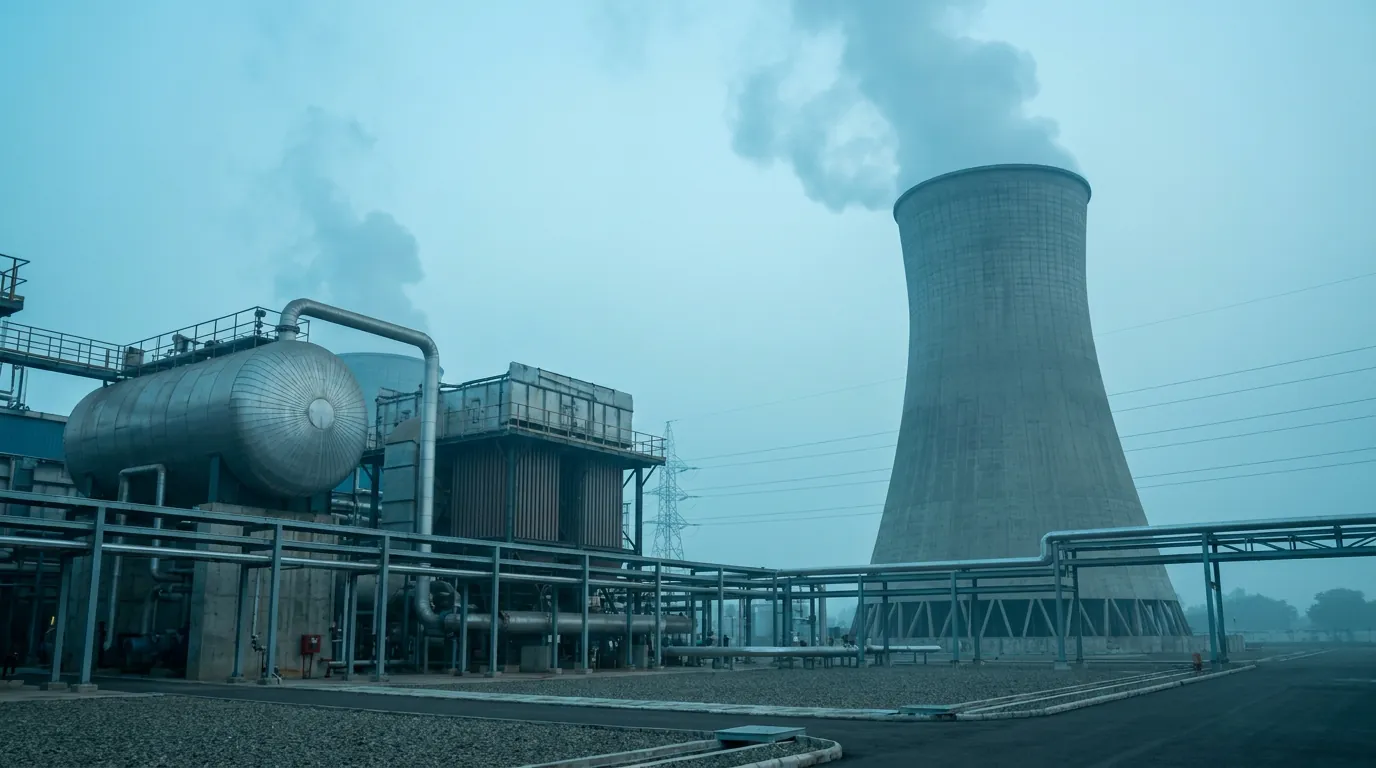
Captive and co-generation power plants lose output when boilers scale or condensers foul. We supply programmes for boiler and condensate protection, condenser cooling towers, and the RO units that feed DM plants.
Tap a product to see it, or open the full programme for that system.
Boiler tube failures mean unplanned outages. Oxygen and pH control protects the boiler and the condensate return line.
Hydrazine O₂ scavenger pH booster Boiler antiscalant
View boiler programmeCondenser fouling raises back-pressure and cuts generation. Scale and biofilm control keeps approach temperature down.
Condenser antiscalant Bacteria & algae biocide Broad-spectrum biocide Bio-dispersant
View cooling tower programmeRO ahead of the DM plant — membrane scaling raises DM regeneration load and cost.
High-TDS antiscalant Polymer antiscalant Alkaline cleaner
View RO programmeThe readings that matter most in power generation plants — tracked from your first analysis through monthly reviews.
Scale and biofilm on condenser tubes raise back-pressure, so the turbine produces less power from the same steam and fuel. Keeping tubes clean is one of the cheapest ways to protect heat rate.
Yes. We set oxygen scavenger, pH and internal treatment for your operating pressure, and track feed water, boiler water and condensate in monthly logs.
Yes — seawater is one of our specialist areas. See our seawater and high-salinity treatment page for once-through and seawater cooling tower programmes.
Send a water sample or your latest analysis report. We'll recommend products and dosages for each system within 48 hours.
Send Your Water Analysis